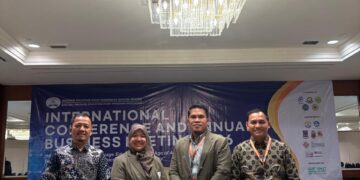


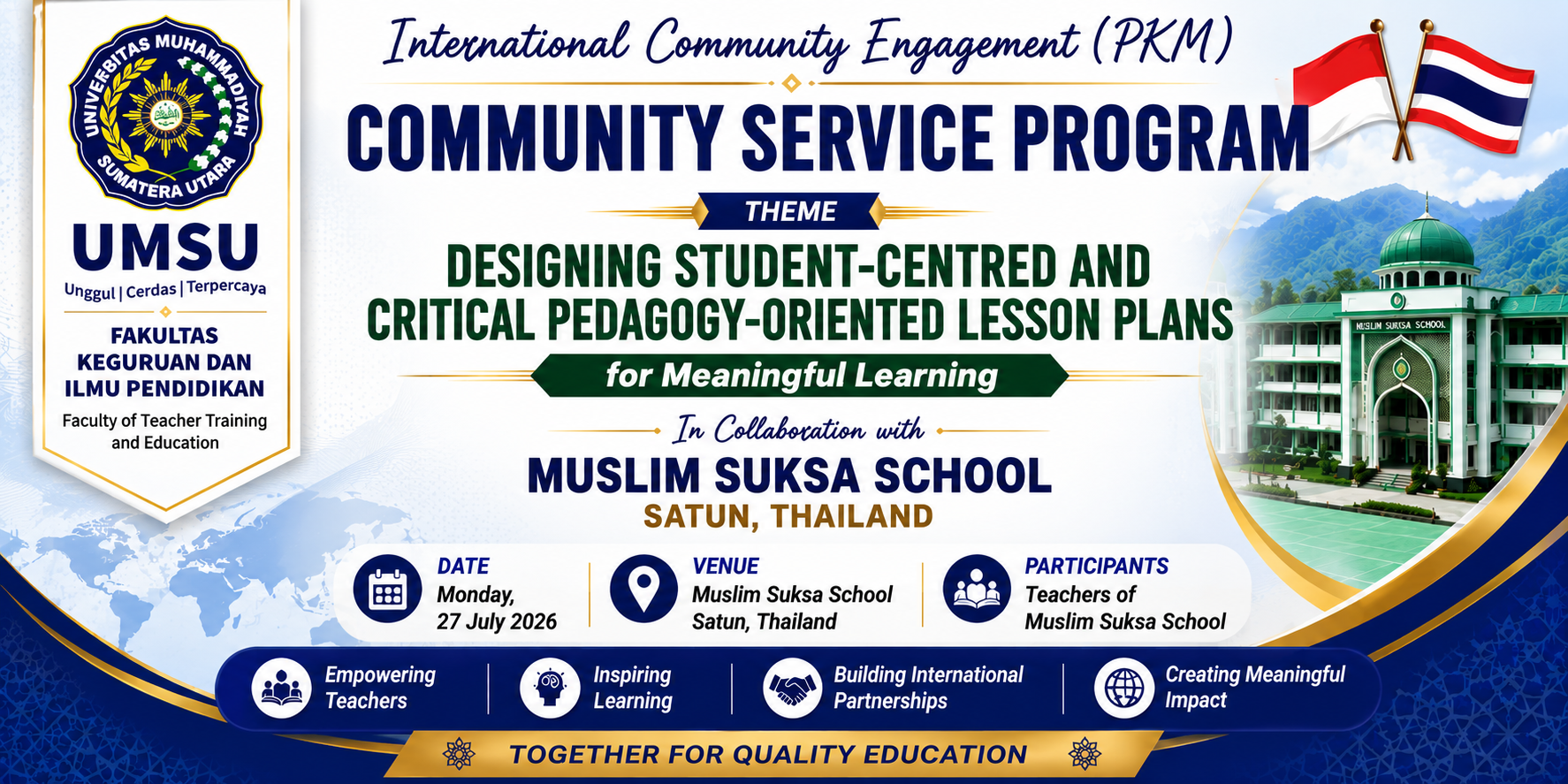
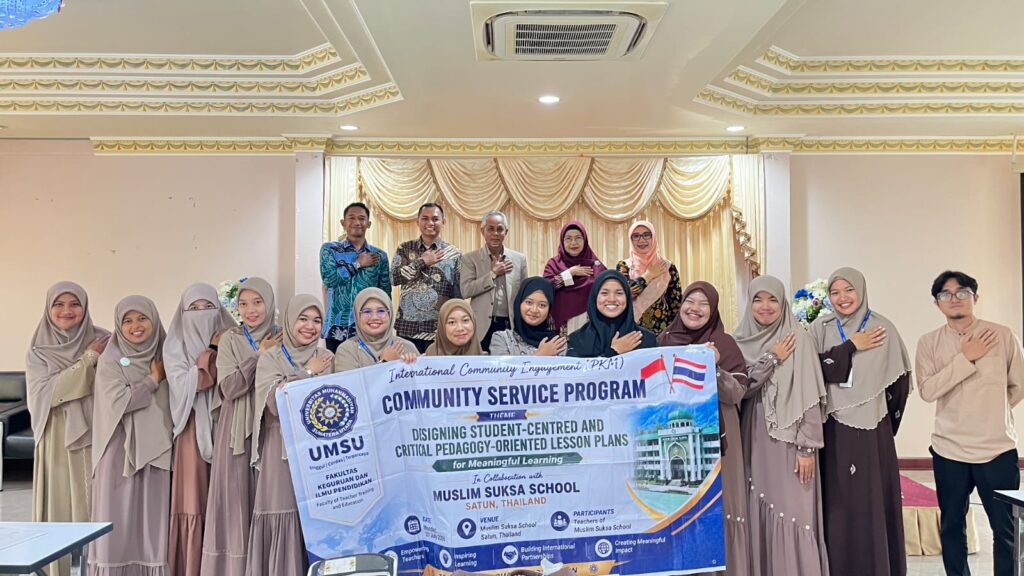
Satun, Thailand – The English Education Study Program of the Faculty of Teacher Training and Education (FKIP), Universitas Muhammadiyah Sumatera Utara (UMSU), reaffirmed its commitment to international engagement by participating in the International Community Engagement (PKM) Program held at Muslim Suksa School, Satun, Thailand, on Monday (July 27, 2026).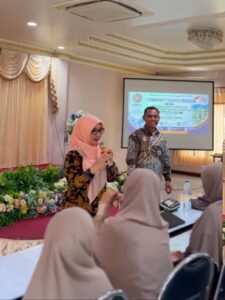
As part of FKIP UMSU’s internationalization agenda and the implementation of the Tri Dharma of Higher Education, the program aimed to strengthen teachers’ professional competencies while fostering academic collaboration between Indonesia and Thailand.
The workshop, entitled “Designing Student-Centred and Critical Pedagogy-Oriented Lesson Plans for Meaningful Learning,” brought together teachers from Muslim Suksa School to explore innovative approaches to lesson planning that promote active learning, critical thinking, and meaningful classroom experiences.
The program was officially opened by Ustadz Abdul Qodir, Director of Muslim Suksa School, and attended by Dr. Umar Akem, President of the Private School Association Thailand, reflecting strong institutional support for educational partnerships across Southeast Asia.
Representing the English Education Study Program were Dr. Hj. Dewi Kesuma Nasution, M.Hum., Vice Dean I for Academic Affairs of FKIP UMSU, and Selamat Husni Hasibuan, Ph.D., Secretary of the English Education Study Program. Together, they served as the principal facilitators for the sessions focusing on student-centred learning and critical pedagogy.
Dr. Dewi Kesuma Nasution delivered a session on Student-Centred Learning, emphasizing the importance of designing learning environments that actively engage students, encourage collaboration, and foster independent learning. She highlighted that effective lesson planning should place learners at the center of the educational process, enabling them to become active participants rather than passive recipients of knowledge.
In the following session, Selamat Husni Hasibuan introduced the principles of Critical Pedagogy and demonstrated how these principles can be integrated into lesson planning. He encouraged teachers to design lessons that promote critical thinking, reflection, dialogue, and meaningful connections between classroom learning and real-life issues, empowering students to become thoughtful and responsible members of society.
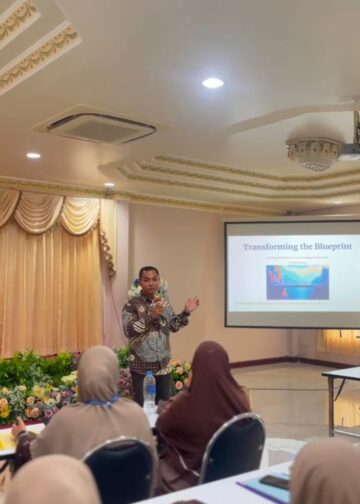
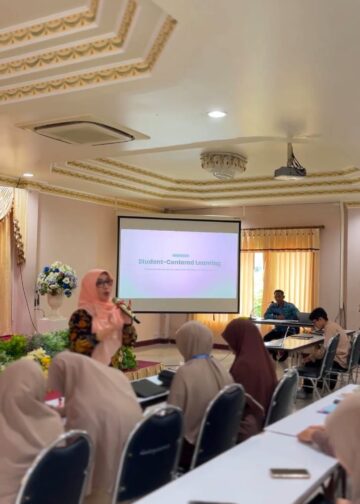
Following the presentations, participants joined a Lesson Plan Clinic, where they worked collaboratively to review, revise, and improve their lesson plans under the guidance of the facilitators. Teachers then presented their revised lesson plans and received constructive feedback aimed at strengthening the implementation of student-centred and critical pedagogical approaches in their classrooms.
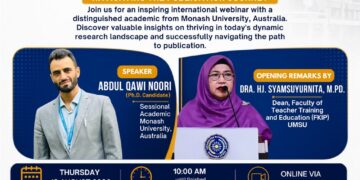
Speaking at the opening ceremony, Dra. Hj. Syamsuyurnita, M.Pd., Dean of FKIP UMSU, emphasized that internationalization should generate meaningful benefits for educational communities.
“Internationalization is not only about student and faculty mobility, but also about creating meaningful collaborations that contribute directly to teacher professional development and educational quality. Through this program, FKIP UMSU is committed to sharing innovative educational practices while strengthening academic partnerships between Indonesia and Thailand,” she said.
Meanwhile, Ustadz Abdul Qodir, Director of Muslim Suksa School, expressed his appreciation for the workshop and the expertise shared by the FKIP UMSU team.
“We sincerely appreciate FKIP UMSU for conducting this professional development program. The workshop provided valuable insights that are highly relevant to our teachers, particularly in designing more active, meaningful, and student-centred learning experiences. We hope this collaboration will continue through future academic initiatives,” he remarked.
The workshop featured interactive discussions, collaborative learning, reflective activities, and hands-on lesson planning practice, creating an engaging professional learning environment for all participants. Teachers actively exchanged ideas and experiences with the facilitators, further enriching cross-cultural understanding and professional dialogue.
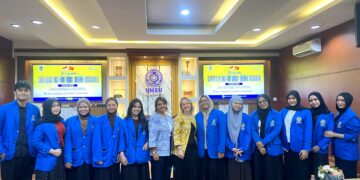
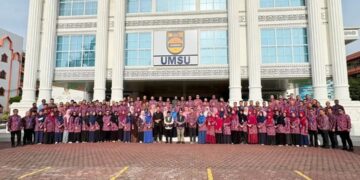
The program concluded with a certificate presentation ceremony, the exchange of commemorative gifts between FKIP UMSU and Muslim Suksa School, and a group photo to commemorate the growing partnership between the two institutions.
Through this International Community Engagement Program, the English Education Study Program of FKIP UMSU continues to demonstrate its commitment to advancing teacher professional development, expanding international academic networks, and contributing to educational improvement beyond national borders. The program also reflects the study program’s vision of preparing globally engaged educators who are capable of promoting meaningful, inclusive, and transformative learning in diverse educational contexts.